
Posts Tagged ‘Traditional Knowledge’
Farmer suicides: A call to climate action for India
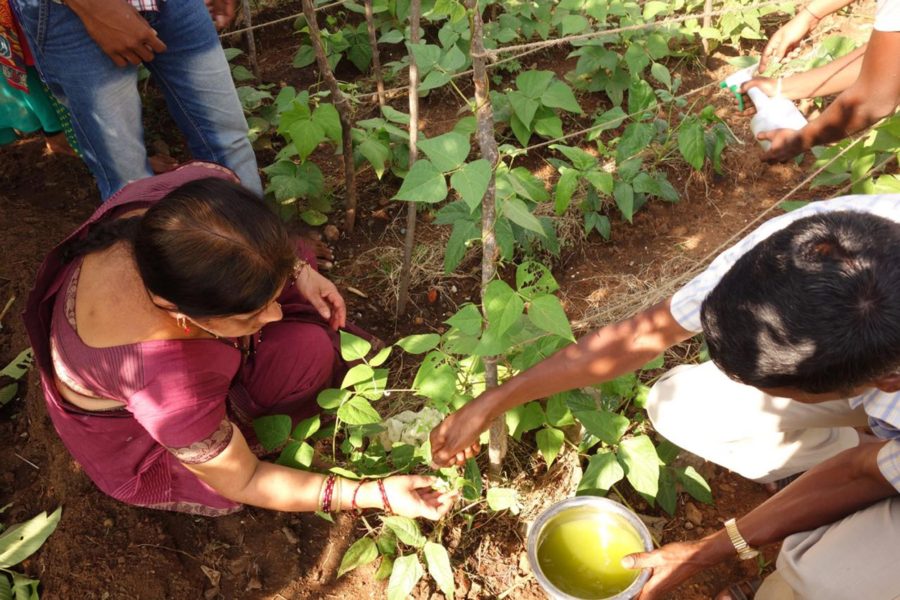
In a recent article by Suresh Babu of the International Food Policy Research Institute, Babu points out that “As both a contributor to climate change and a victim of its impacts, agriculture needs to become climate resilient. This direct connection between climate change and agriculture is perhaps nowhere more apparent than in India, where recent…
Read MoreMalnad Mela Festival in Sirsi celebrates seeds and artists
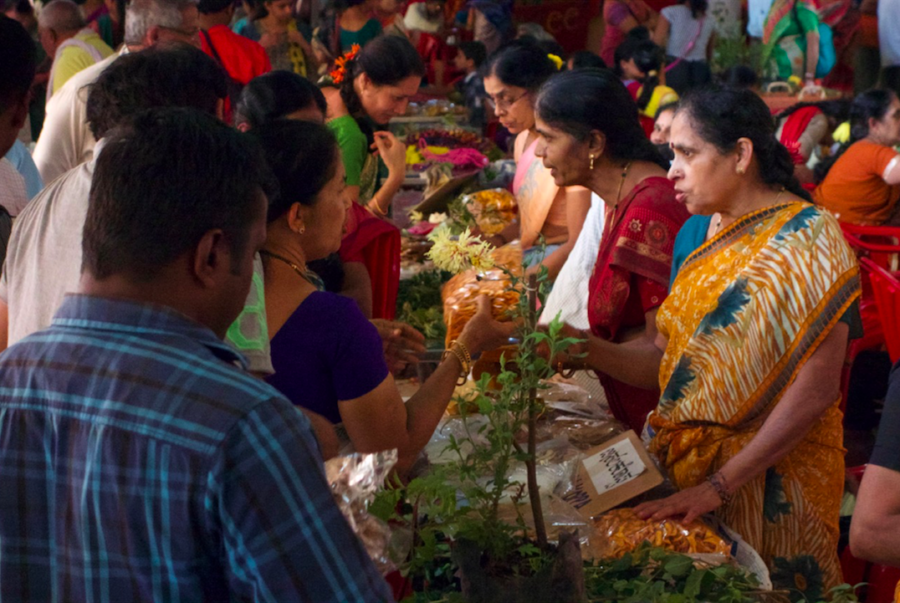
In June, WEA’s Seeds of Resilience project partner, Vanastree, held their 17th Malnad Mela in Sirsi, India. Vanastree has held this festival every year since 2001. The Mela — a community biodiversity festival where farmers and producers can gather to display and share their produce and products — strives to bring awareness to the environmental challenges in…
Read MoreTanzanian farmers traditional seed exchange practices under threat
In order to receive development assistance, Tanzania has to give Western agribusiness full freedom and give enclosed protection for patented seeds. “Eighty percent of the seeds are being shared and sold in an informal system between neighbors, friends and family. The new law criminalizes the practice in Tanzania,” says Michael Farrelly of TOAM, an organic…
Read MoreIndigenous women in Peru use seed saving and traditional knowledge to combat climate change
Throughout the 10 years of WEA’s work, we’ve seen how women are often those preserving traditional knowledge and shepherding intergenerational knowledge transfer within communities. This is true of both ecological and cultural knowledge, and those two things more often than not are intimately linked. Seed saving is a wonderful example of this link, and we…
Read MoreStarting the Year Off With the Malnad Mela
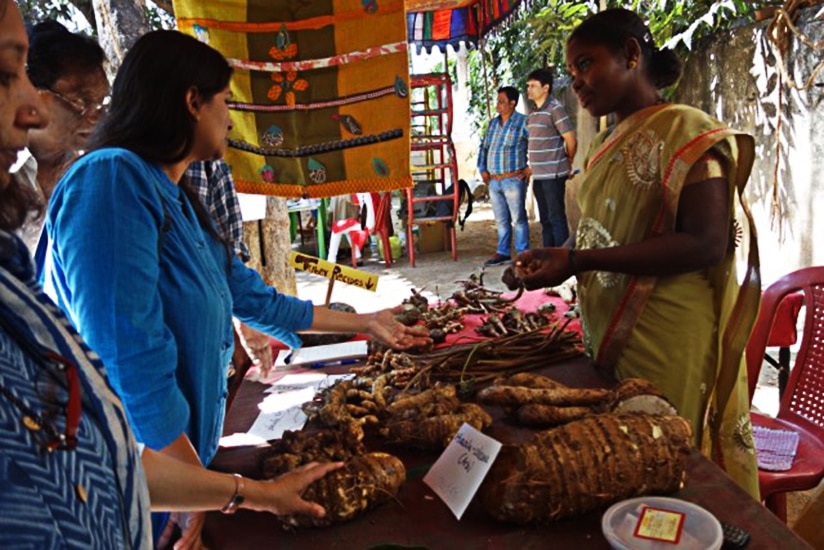
At the end of January 2016, WEA’s Planting Seeds of Resilience Project partner Vanastree organized their 9th Malnad Mela. The Mela — featured in the Times of India — provides an opportunity for Sirsi women to showcase their seeds, soil, tubers, cotton, clothing, and food, increasing their recognition, honoring their knowledge, and providing and opportunity to learn more. At this year’s…
Read More