Posts Tagged ‘US and Canada’
Beyond the Violence on the Land, Violence on our Bodies report
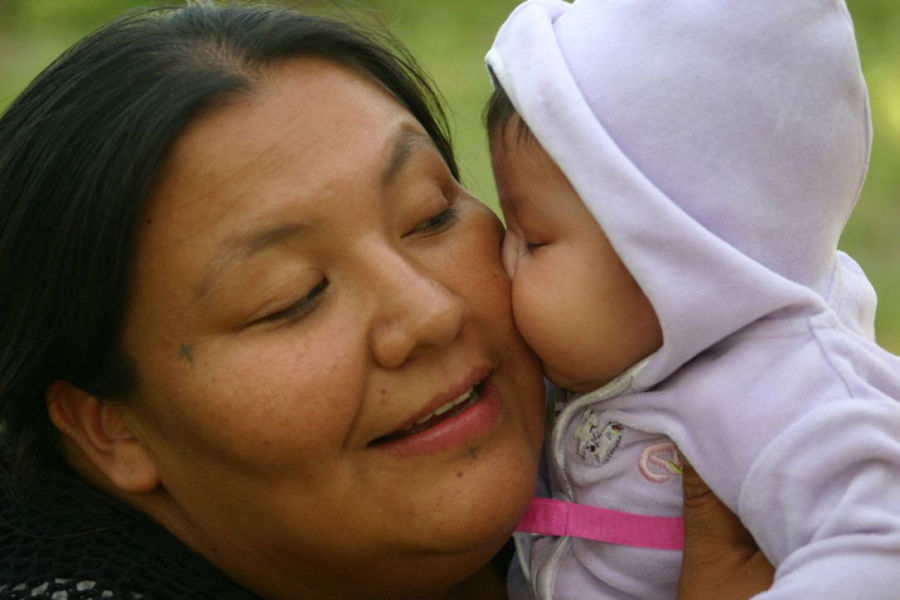
The Shedding Light on Environmental Violence Initiative shows us that what happens to the land, happens to our bodies. Chrissy Swain, a leader featured in our Violence on the Land, Violence on our Bodies report, shares her experience of mercury poisoning caused by pollution from a paper mill near the Asubpeeschoseewagong (Grassy Narrows) First Nation reserve in…
Read MoreResistance of Indigenous Women Stretches from North to South
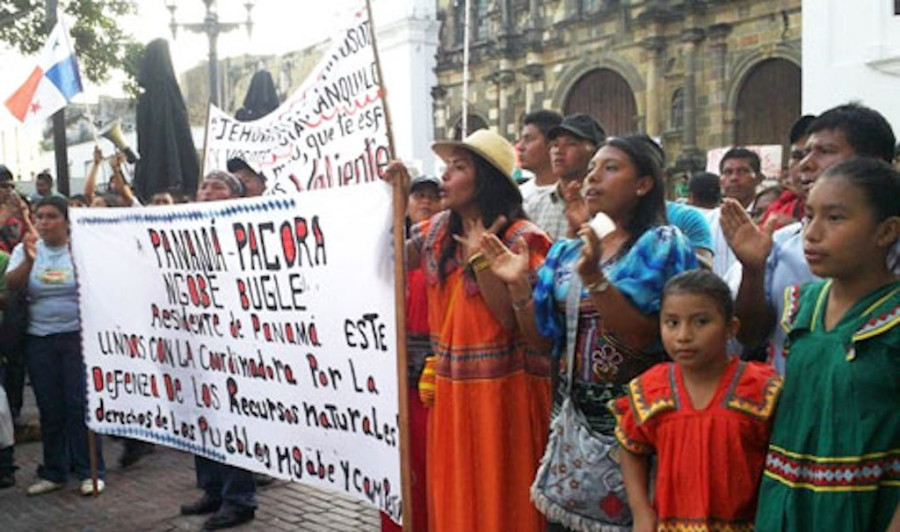
Across the Americas, the plight of Native people, and women in particular, continues to be ignored. From North to South, the systematic state discrimination against women excludes their participation in politics, discourages their participation in movements through the threat of violence, and belittles not only their political demands but also their very lives. 1,200 indigenous women…
Read MoreWEA’s New Partnership to Address Environmental Violence

We are so proud to be in partnership with The Native Youth Sexual Health Network on a community-based research and advocacy initiative to address the environmental violence Indigenous women and youth face as a result of extreme extraction. Everything that impacts the land in turn impacts our bodies. Visit the link below to learn more about this initiative, how…
Read MoreReject and Protect: Cowboy Indian Alliance Takes a Stand Against the KXL
By: Sophia Sparksworthy, WEA Intern “The [Cowboy Indian Alliance] asks President Obama a simple question: Is an export pipeline for dirty tar sands worth risking our sacred land and water for the next seven generations?” — Reject and Protect, Call to Action In an effort to tap into domestic oil supplies between the United States…
Read MoreFrom our Allies: Indian People’s Action and the Tar Sands Megaloads
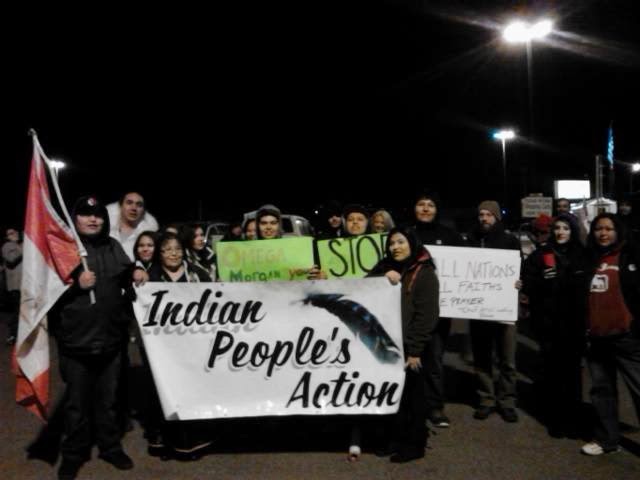
“[Tar sands oil] is not a future issue, it’s causing the land to be inhospitable, both on the reservations and for the surrounding area… There’s no way we’re going to change the surrounding area once it’s destroyed.” — Naomi Oderman, Media Liaison with Indian People’s Action (source) There are many equally important facets of the Keystone…
Read More