
Posts Tagged ‘South Asia’
Supporting Landless Women Farmers in India
Tina Rosenberg, in her article Letting (Some of) India’s Women Own Land, addresses how little land is owned by women in India even though more than three-quarters of Indian women live as farmers.”Without [land] title,” Rosenberg, a Pulitzer Prize award winning author, says, “female farmers acting on their own don’t have access to credit, subsidies, government…
Read MoreIndia has the Most People Without Clean Water
Water Aid, the international charity, released a report this week titled, “Water: At What Cost? The State of the World’s Water in 2016” revealing that 75.8 million of India’s 1.25 billion people (5%) lack access to safe and affordable water. Poor Indians without water access are forced to spend an average of about 72 cents to…
Read MoreA Glimpse at Women-Led Movements
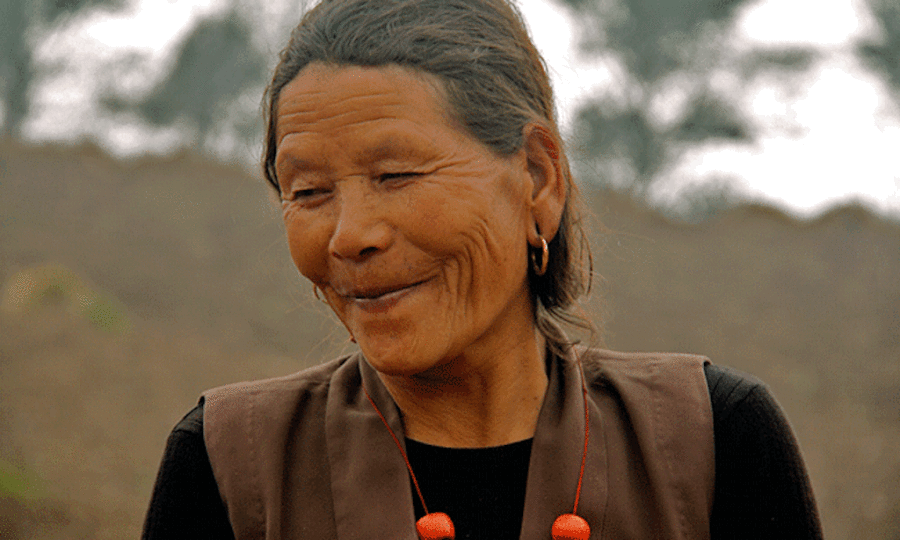
Dayamani Barla, the Indian journalist who led an extraordinary movement in an effort to stop ArcelorMittal, the world’s largest steel company from displacing thousands of indigenous people in Jharkhand. She discusses her views on development and explains them from an indigenous world-view: “We want development, but not at our cost. We want development of our…
Read MoreBiodiversity’s Impact on Women
For many women, biodiversity is the cornerstone of their work, their belief systems and their basic survival. Apart from the ecological services that biodiversity provides, there is the collection and use of natural resources. For indigenous and local communities in particular, direct links with the land are fundamental The United Nations Environmental Programme, has a…
Read MorePassing the Knowledge of Seeds and Ancient Farming from Mother to Daughter
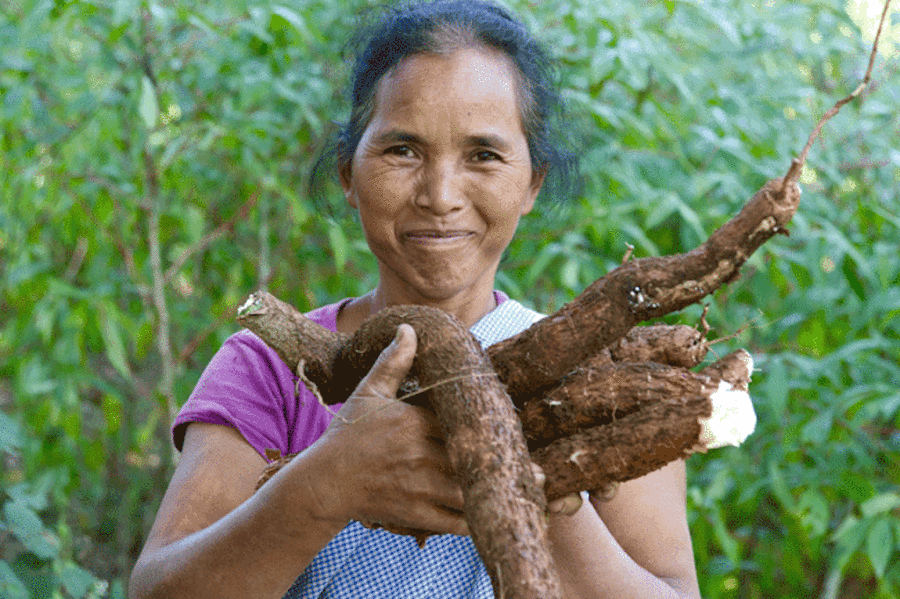
In the northeastern mountain state of Meghalaya, is the Khasi tribe, a matrilineal people, where the women own the land, and harvest numerous crops from their fields. Indeed, women are quick to note that by farming in the modern, monoculture way is ineffective, instead create jhum fields, following an ancient shifting cultivation method. Karamela Khonglam grows 35 different…
Read More